

Keep your food fresh by placing every item in its designated temperature zone. High shelves stay slightly warmer, middle shelves have steady air, and the bottom is the coldest spot. This specific layout prevents cross-contamination and helps you see everything you own at a glance.
What goes where in the fridge
The top shelves have the most consistent temperature for foods that do not need cooking. This is where you should keep leftovers, drinks, and ready-to-eat snacks. Storing these at eye level ensures you eat them before they spoil. Avoid putting raw meat here because it could drip onto your prepared meals.
The middle and bottom shelves are better for dairy and eggs. While many people put milk in the door, it actually belongs on a back shelf where the temperature does not change when you open the fridge. Use the following list to organize your main shelves from top to bottom:
- Top shelf: Leftovers, deli meats, and bowls of berries.
- Middle shelf: Eggs, butter, and large tubs of yogurt.
- Bottom shelf: Milk cartons and raw meat stored in its original packaging.
- The door: Condiments, soda, water, and juices that have natural preservatives.
How to use crisper drawers correctly
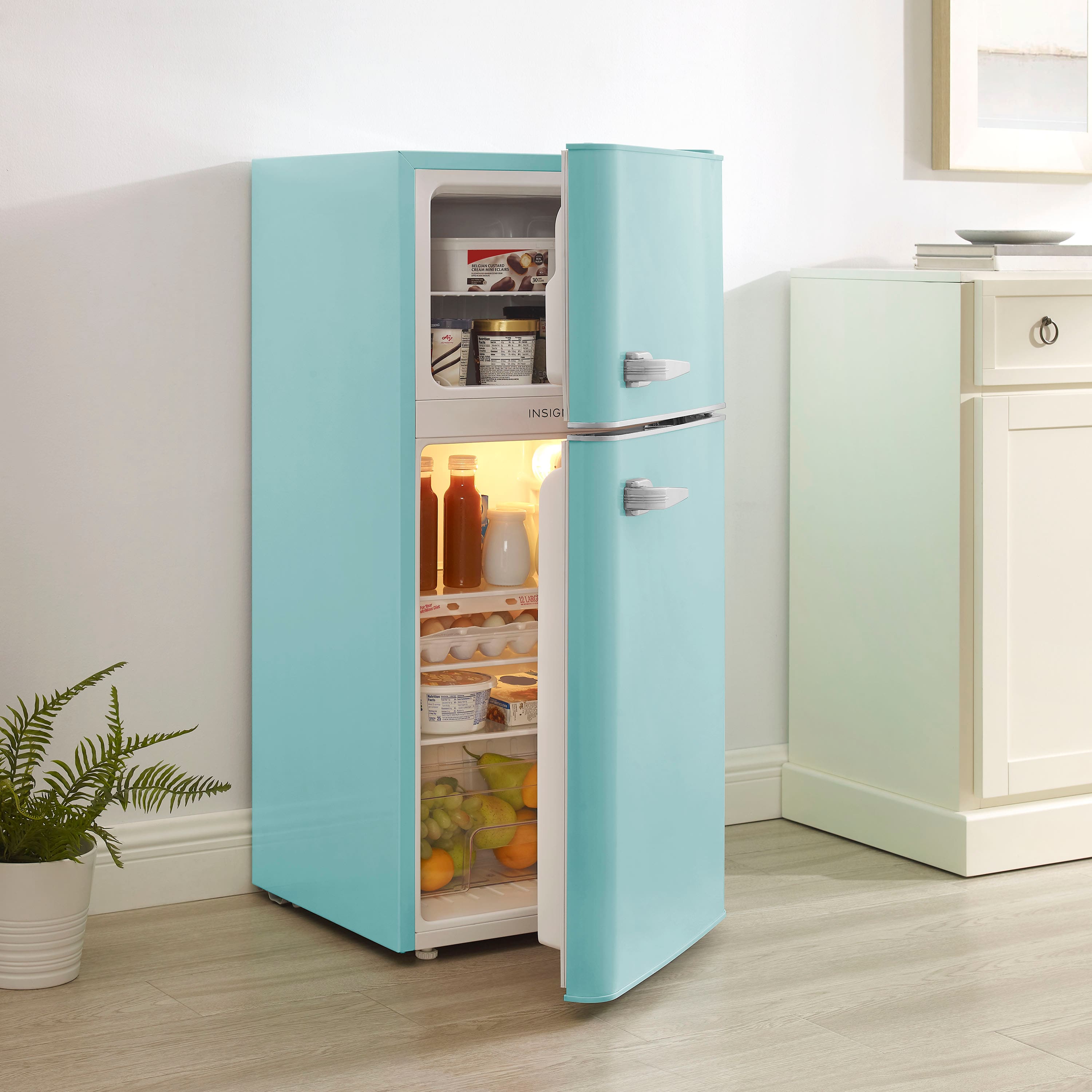
Most refrigerators have two drawers at the bottom. These are designed to control humidity, which is vital for keeping produce crisp. One drawer should be set to high humidity for leafy greens like spinach or herbs that wilt easily. The other drawer should be low humidity for fruits and vegetables that rot quickly, such as apples or peppers.
Do not mix your fruits and vegetables in the same drawer. Many fruits release a gas that makes vegetables spoil faster. Keeping them separate is a basic part of housekeeping that saves money on your weekly grocery bill. Line these drawers with a paper towel to catch loose onion skins or moisture.
Fridge organization steps for a clean look
To make this system work, you need to clear the space completely once. This allows you to see the bare shelves and check for any hidden spills. It takes about fifteen minutes to empty the fridge and wipe the surfaces with warm water. You do not need special bins to stay organized, but using a few clear containers can help group small items together.
Follow these steps to reset your space and keep it tidy for the long term:
- Remove every item and check the expiration dates on jars.
- Wipe the shelves with a soft cloth to remove sticky rings or crumbs.
- Group your items by category, such as all jars of jam or all salad dressings.
- Place taller items at the back so you can see smaller items in the front.
- Add a small box for items that need to be eaten today to prevent waste.
Why your fridge stays clean with this system
When every item has a specific home, you spend less time moving things around to find what you need. Constant shuffling is what causes spills and leaks. By using the colder bottom shelf for raw meat, you protect the rest of your food from bacteria. Professional cleaning becomes much easier when you only have to wipe down empty spots rather than scrubbing the whole unit.
The door is the warmest part of the appliance because it is exposed to room air every time you reach for a snack. Keep your shelf-stable items there, such as mustard, ketchup, and jarred pickles. If you follow this layout, your food stays at the right temperature, your shelves stay clear of clutter, and you will find that you spend less time on deep cleaning every month. Maintaining this order takes less than two minutes when putting away a new grocery delivery.