
Decluttering sentimental things without the guilt comes down to setting small time limits and sorting items by your actual connection to them today. You do not need to throw away your past to have an organized home. You just need a clear system that protects your true keepsakes while letting the rest go.
How to Start Decluttering Sentimental Things Without the Guilt
Set a timer for twenty minutes and choose just one small box or one single shelf to work on. Never start with your entire collection of photos or childhood boxes at once. Starting small keeps your brain from feeling overwhelmed by old feelings and memories.
Bring three plastic bins to your work space before you open any boxes. Label the bins clearly so you do not have to make repeated decisions about where items go once you pick them up.
- Keep Bin: Items that bring you real joy right now or have deep personal meaning.
- Donate Bin: Items that are still useful or pretty, but no longer belong in your story.
- Trash Bin: Items that are broken, stained, or torn beyond repair.

Separate the Memory from the Physical Object
An object is not the person who gave it to you, nor is it the event where you got it. The memory lives in your mind, not in a piece of heavy furniture or a stack of old papers. Understanding this distinction takes away the self imposed pressure to keep every item forever.
Take a clean digital photo of bulky or fragile items that you appreciate but no longer want to store in your home. You can look at the photos in a digital album anytime without taking up physical room on your closet shelves. Using techniques from professional organizing helps you build a home that serves your present daily life instead of your past.
What is the Best Way to Keep Special Keepsakes?
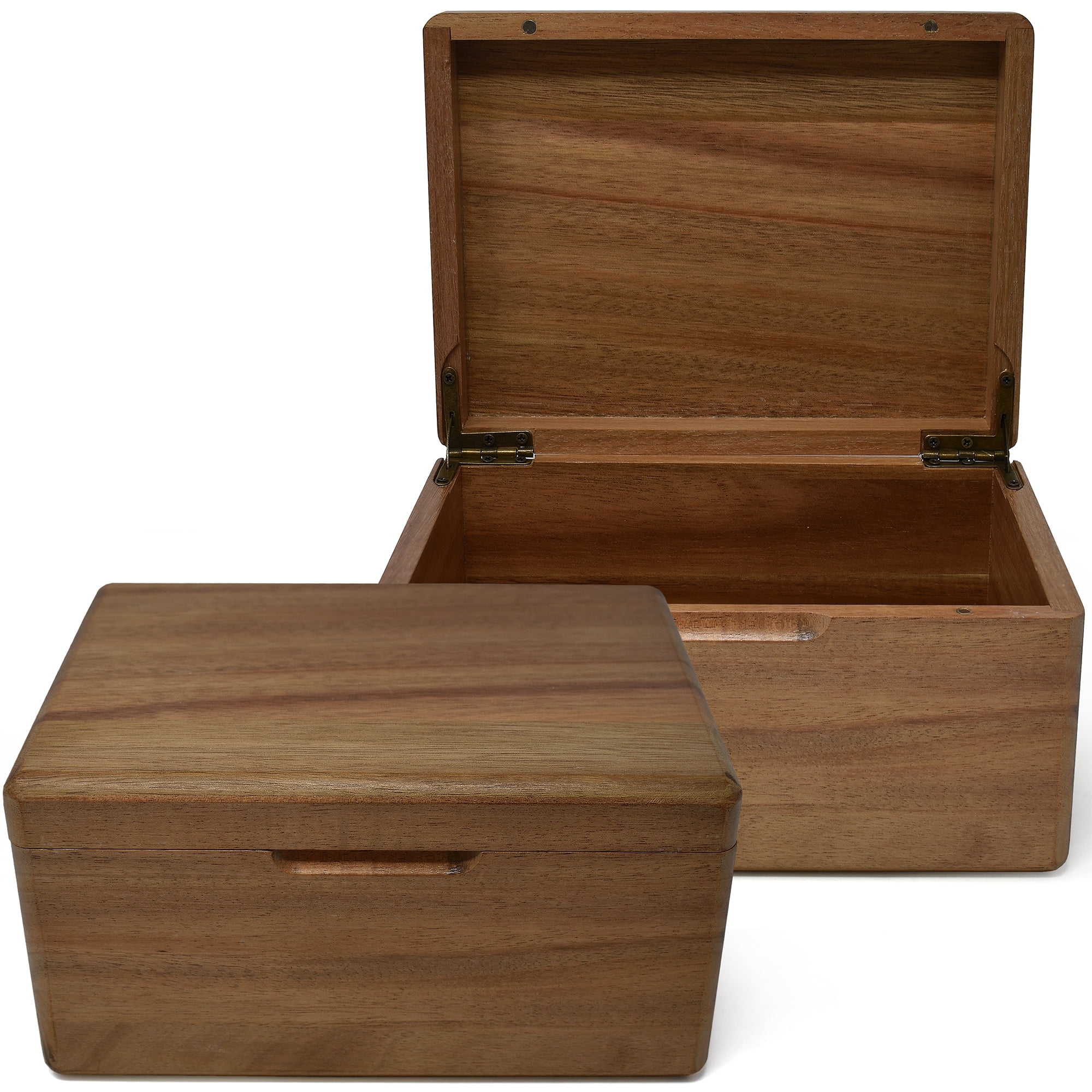
Give yourself a physical boundary for the items you choose to save. A single plastic memory box with a tight lid is the standard size for one person. When your keepsakes fit inside one designated box, your collection stays curated instead of sprawling across your home.
Arrange your saved items inside the box so they stay safe from light, dust, and moisture over time. Keeping a set limit forces you to pick only the absolute best items when new memories come along.
- Photos: Place up to fifty favorite pictures in an acid free album.
- Paper: Save five to ten letters or cards that have meaningful written messages inside.
- Heirlooms: Keep two or three small physical items that represent your family history.
- Fabric: Fold one special baby blanket or item of clothing neatly at the bottom.
Pass Items to Family or Local Groups
If you feel bad about letting an item go, find a new home where it will actually be used. Reach out to family members directly and give them a firm deadline of seven days to claim an item. If no one wants it within seven days, release it to a local charity or thrift store without feeling bad.
Knowing your old items are helping someone else right now makes the process of letting go much easier. Proper housekeeping is about keeping your home easy to manage, not holding onto storage boxes for decades out of obligation.
Set Up a Calm Routine for Future Items
Prevent new emotional clutter from building up by setting a quick rule for incoming items. When you receive a gift, souvenir, or inherited piece, decide where it goes within forty eight hours. If it does not have a clear spot in your main rooms or your single memory box, do not let it sit in an hallway corner.
Review your memory box once every year, perhaps on your birthday or during a new year reset. As time passes, your perspective changes, and items that felt hard to drop five years ago will feel much easier to let go of today.