
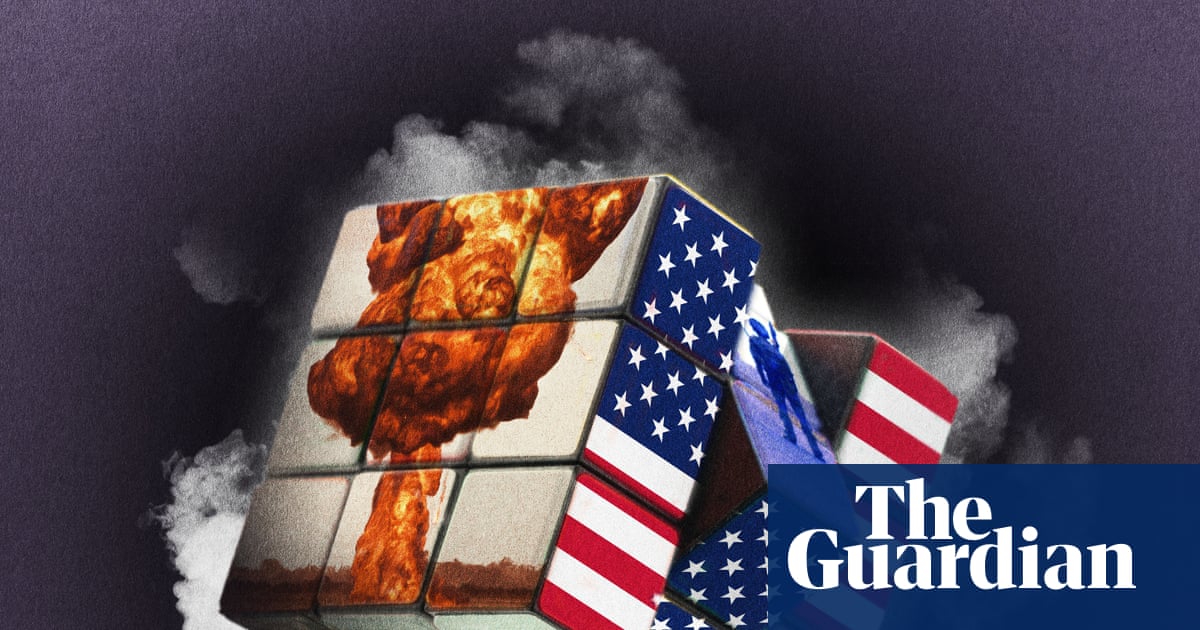
Global conflicts are growing worse while Donald Trump fans the flames of a world on fire. Many people now wonder if traditional diplomacy can take back control of these big problems. World leaders are trying to figure out how to keep the peace during this tense time.
Can diplomacy take back control in a world on fire?
Peace talks are becoming much harder as top leaders make bold moves. When big countries argue, smaller nations often suffer the consequences. Right now, diplomats are working behind closed doors to keep open lines of communication. They hope that talking will stop small arguments from turning into bigger battles that affect everyone.
Many experts think that strong treaties are the best way to handle global stress. Without these agreements, nations might act without thinking about their neighbors. It takes a lot of time to build trust between huge powers, but losing that trust happens in just one day. That is why diplomatic teams are working hard right now to protect old agreements.
What does this mean for ordinary people today?
When global tensions rise, normal families feel the results in their daily lives. Big fights between countries can make basic items like food and gas cost a lot more money. High prices hurt home budgets and make it hard for families to save for the future. Stable relationships between nations help keep the global economy calm for everyone.
Safety is another big concern for families everywhere when peace breaks down. War creates refugee crises and makes international travel much harder for normal tourists. People want to feel safe in their homes without worrying about bad news from overseas. Strong diplomacy helps keep local communities safe from distant wars.
What key steps will help bring back global control?
Restoring order requires a clear plan that major world powers can actually agree on. Leaders must focus on shared goals instead of endless arguments that lead nowhere. Here are the main things diplomats need to focus on right now:
- Keeping talk channels open even when leaders are very angry with each other.
- Protecting existing peace agreements from falling apart completely.
- Working together to solve economic problems that hurt everyday consumers.
If nations can stick to these basic steps, they might prevent future conflicts. It requires patience and real effort from every single government involved. Taking these steps early saves lives and keeps global trade moving smoothly without sudden stops.
What should we watch for in the near future?
The next few months will show if international groups can handle this pressure. We need to watch how major leaders speak to each other at upcoming global summits. Friendly words can calm down tense situations, while harsh statements often make things much worse. Every public comment will be watched very closely by peace groups.
We should also watch how local citizens react to news about world peace. People have a voice, and they can ask their own governments to choose talk over fighting. If citizens demand peace, leaders are more likely to sit down and negotiate. The coming year will test if peaceful talk can still win against rising anger.